Wilington Font: A Romantic Typeface for Creative Makers
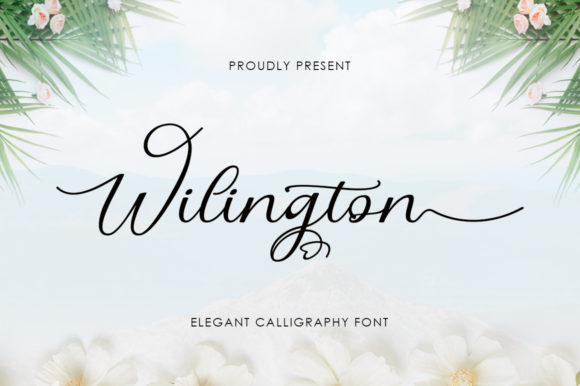
There’s something magical about the right font. It can turn a simple label into a statement, elevate a greeting card to a keepsake, or transform a plain mug into a cherished gift. I recently discovered Wilington, a handwritten script font that has quickly become one of my favorites in the creative toolbox. As someone who regularly designs labels, invitations, and digital printables for my handmade shop, finding a font that feels both romantic and professional is essential—and Wilington delivers just that.
A Versatile Script with Heartfelt Charm
Wilington belongs to the Script Amp family of fonts, known for its elegant and expressive characters. What sets it apart is its balance between soft curves and clear structure. Each letter flows naturally, yet remains legible even when used in tight spaces like small stickers or product tags. Its handwritten feel brings warmth and personality, making it perfect for creators who want their products to resonate emotionally with customers.
I first tried using Wilington on candle labels. The gentle, cursive strokes gave them a vintage, artisanal vibe without feeling overdone. When paired with minimalist illustrations and earthy tones, the font helped create an inviting and cohesive look that felt authentic and handcrafted. The subtle variations in stroke weight and texture made each label unique, as if I had written it by hand—something that really stands out in today’s fast-paced world of mass production.
From Greeting Cards to Wedding Invitations
One of the things I love most about Wilington is how easily it transitions from casual to formal settings. For birthday greeting cards, it adds a touch of whimsy and joy. But when I used it for wedding invitation mockups, the font transformed into something more refined and romantic. Its natural flow and delicate serifs lend themselves beautifully to names and titles, making it ideal for any design that needs to feel personal and heartfelt.
- Boutique Packaging: I applied Wilington to tissue paper tags and gift box wraps, and the result was stunning. The font added a sense of luxury while keeping the packaging approachable.
- Farmhouse Signs: For a rustic-style wall sign, I paired Wilington with a clean sans serif to highlight key phrases. The contrast brought depth and visual interest without clashing styles.
- Printable Wall Art: When designing digital art for clients, Wilington became my go-to choice for inspirational quotes and seasonal greetings. Its character set includes beautiful alternates and ligatures that let me customize the look for each piece.
Designing with Purpose and Personality
As a maker, your typography choices speak volumes about your brand. Wilington isn’t just another pretty script; it’s a typeface that helps you tell a story. Whether you’re creating planner pages for a productivity printable line or designing tote bags with motivational messages, this font brings a sense of intention and charm to every project.
I’ve found it especially useful for short phrases and names, where attention to detail can make all the difference. Longer text doesn’t always suit script fonts, but with Wilington, I’ve been able to use it creatively in headlines, taglines, and decorative elements throughout product listings and packaging. The emotional appeal it brings makes customers pause, read, and connect with what they see.
Making It Work for Real Products
When preparing physical merchandise like mugs, shirts, or signage, readability is key. Wilington works well at larger sizes, but I also test how it looks at smaller scales to ensure it remains legible in real-world applications. For instance, I once created a batch of mini holiday tags using Wilington, and the font held up beautifully when printed on thin kraft paper with gold foil accents.
If you're working with cutting machines like Cricut or Silhouette, Wilington offers excellent performance due to its open apertures and smooth outlines. I recommend testing the font on a few sample cuts before moving into bulk production. This ensures that every curve and flourish translates cleanly from screen to sticker, label, or vinyl design.
Font Pairing Tips for a Balanced Look
While Wilington shines on its own, combining it with other fonts can enhance your overall design. Here are a few pairings I’ve used successfully:
- Wilington + Clean Sans Serif: Great for modern stationery and branding materials. The contrast highlights the elegance of the script.
- Wilington + Simple Serif: Ideal for editorial design or book covers. Adds a timeless, sophisticated feel.
- Wilington + Bold Display Font: Works well for headers or logos where impact matters. Just be sure to keep the script in a secondary role for clarity.
Always consider the purpose of your design when choosing a pairing. If you're focusing on brand identity, consistency is important. Wilington can anchor your visual style across multiple formats—from packaging to social media graphics—while maintaining a warm, approachable tone.
Commercial Use and Licensing Clarity
Before diving into selling products featuring Wilington, it's important to review the font’s commercial licensing terms. Like many premium fonts, Wilington may require specific permissions for certain uses such as print-on-demand services, SVG-style designs, or large-scale production runs. Checking the included file formats (like OTF, TTF, and WOFF) and ensuring multilingual support is crucial, especially if your audience spans different regions or languages.
Also, take time to explore the font’s alternate characters, ligatures, and swashes. These details allow for customization and help your designs stand out from the crowd. I’ve used these features to personalize customer orders, adding a unique flair that makes each item feel special.
Real-World Applications That Inspire
Here are some practical ways I’ve incorporated Wilington into my work:
- Product Labels: On candles, bath salts, and homemade soaps, Wilington adds a personal touch that elevates the perceived quality.
- Digital Templates: For printable calendars and planners, it’s perfect for headings and decorative notes. Customers often mention how much they love the romantic aesthetic.
- Seasonal Designs: From Christmas ornaments to Easter tags, Wilington brings a handcrafted feel to each piece. It’s especially effective during holidays when warmth and sentimentality are key.
- Merchandise Mockups: When previewing t-shirt or mug designs online, the font gives a realistic, high-quality appearance that encourages clicks and sales.
Each application has its own requirements, but Wilington adapts well to most of them. I’ve learned to adjust spacing and sizing depending on the medium—tighter kerning for digital downloads, looser for large signs. This flexibility is part of what makes it such a valuable asset for makers who juggle various projects and formats.
Building Brand Consistency with Typography
Typography plays a big role in brand recognition. By using Wilington consistently across product tags, website copy, and social media content, I’ve noticed a stronger sense of cohesion in my shop. It’s not just about looking good—it’s about building trust and familiarity with your audience. When customers start to associate your products with a specific typeface, they begin to recognize your style instantly.
This is particularly helpful when showcasing digital assets. Whether it’s a downloadable wedding invitation suite or a set of farmhouse-themed planner templates, using Wilington helps maintain a unified look that reinforces professionalism and creativity. I’ve even used it in shop banners and promotional graphics to ensure a consistent brand presence across all platforms.
Testing and Refining Your Typography Choices
Like any design element, typography should be tested in context. I often create mockups using tools like Canva or Photoshop to see how Wilington interacts with colors, images, and layout structures. Sometimes, a slightly bolder weight or a more spaced-out version of the font improves readability, especially when printed in smaller sizes or viewed from a distance.
For those who prefer a more hands-on approach, I recommend printing sample designs on actual materials—like thick cardstock or fabric—to see how the font holds up under different conditions. Wilington tends to perform well in most scenarios, but it’s always smart to double-check how it looks in the final format before going into production.
Wilington as Part of a Larger Design Toolkit
In my experience, having a strong typographic foundation is half the battle in creating visually appealing products. Wilington has become a staple in my collection of design assets, alongside brushes, patterns, and color palettes. It’s a font that inspires confidence in both aesthetics and functionality, whether I’m crafting for a local boutique or designing digital goods for global buyers.
Its adaptability makes it a great companion for other script and handwritten fonts, but it also stands out when used alone. I find myself reaching for it when I want to add a romantic or nostalgic feel to a project. And because it’s part of the Script Amp category, it shares a similar DNA with other expressive typefaces, offering endless possibilities for mixing and matching in your creative workflow.
Why Choose Wilington?
Ultimately, Wilington is more than just a font—it’s a design partner that understands the heart of handmade creation. It brings romance, elegance, and a personal touch to everything it graces. Whether you’re crafting greeting cards, designing packaging, or creating digital templates, this typeface enhances the emotional appeal of your work and supports a professional, polished presentation.
As a creator, your goal is to connect with your audience through thoughtful design. Wilington helps you do that with every label, every tag, and every carefully chosen word. It’s not just about looking good—it’s about feeling good, and that’s exactly what your customers will remember.