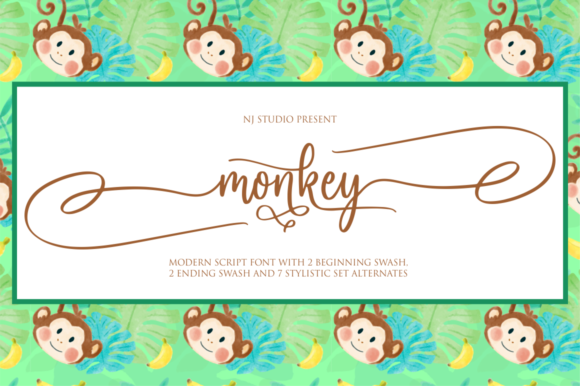
Monkey Font: A Handwritten Typeface for Memorable Branding
In the fast-paced world of digital marketing, standing out is not just an advantage—it’s a necessity. Visual content must grab attention in seconds, especially on platforms like Instagram, Pinterest, and YouTube where users scroll endlessly. That’s where Monkey, a timeless handwritten font from Script Amp, shines. With its natural charm and elegant character, Monkey offers a unique blend of creativity and clarity that supports your brand’s visual storytelling across all touchpoints.
Why Handwritten Fonts Matter in Marketing
Handwritten fonts bring warmth, personality, and authenticity to design. They’re particularly effective for audiences seeking connection, whether through lifestyle brands, creative agencies, or personal blogs. When used strategically, they can enhance emotional engagement and make your message more relatable. Monkey takes this a step further with its balanced script—neither too casual nor overly stylized—which makes it ideal for both artistic and professional applications.
The Visual Style of Monkey
Monkey exudes a sense of approachability without sacrificing sophistication. Its fluid strokes and subtle variations between characters create a handcrafted feel that resonates well with modern aesthetics. The typeface carries a soft, organic rhythm, making it perfect for logos, branding elements, and short-form content where legibility meets expressiveness. This balance ensures your designs don’t look cluttered but instead maintain a clean and cohesive visual language.
Boosting Audience Engagement with Monkey
Engagement starts with first impressions. In social media thumbnails, reels covers, and email headers, using the right font can be the difference between a scroll and a stop. Monkey adds a personal touch that invites curiosity. Whether you're launching a new product or sharing an inspirational quote, this font helps your message stand out in a crowded feed.
- Instagram Posts: Use Monkey for headlines or key phrases in carousel posts or stories. Its cursive style works well for motivational messages, behind-the-scenes content, or influencer collabs.
- Pinterest Pins: Pair Monkey with minimalist layouts to highlight quotes, recipe titles, or DIY project names. The font's elegance complements lifestyle and wellness content beautifully.
- YouTube Thumbnails: Monkey can help your thumbnails pop by drawing attention to the title or tagline, especially when contrasted against bold colors or photography.
- Email Headers: Create a friendly yet professional tone in newsletters or campaign emails with Monkey as the subject line or greeting font.
- Digital Banners: Ideal for short, punchy headlines in banner ads or website headers. Its readability at smaller sizes ensures your message stays clear even on mobile devices.
Monkey in Action: Real Campaign Examples
Let’s break down how Monkey can elevate real-world campaigns:
- Sale Announcement: “50% Off Today Only” becomes more inviting and urgent with Monkey’s handwritten flair.
- Product Teaser: “Something New is Coming…” paired with Monkey gives a mysterious, personal vibe that builds anticipation.
- Inspirational Quote Graphic: For content focused on motivation or mindfulness, Monkey adds a human element to quotes like “Believe in yourself and all that you are.”
- Webinar Banner: Use Monkey for the title of your webinar, such as “Unlock Your Creative Potential,” while keeping supporting text in a sans serif for contrast and readability.
- Content Series: If you're running a blog series or video course titled “The Art of Storytelling,” Monkey gives it a distinct and memorable identity.
- Online Shop Promotion: From product titles to collection headers, Monkey brings a curated, artisanal feel that appeals to niche shoppers.
- Branded Template: Integrate Monkey into templates for social posts, email signatures, or downloadable assets to reinforce your brand’s unique voice and style.
Creating Stronger Visual Hierarchy with Monkey
One of the biggest challenges in digital design is ensuring your message is read—and understood. Monkey excels in establishing visual hierarchy due to its high contrast and decorative yet structured appearance. It naturally draws the eye, which means it’s excellent for headlines, callouts, and titles. However, it’s important to use it judiciously so it doesn’t overwhelm the rest of your layout.
To maximize its impact, pair Monkey with a neutral sans serif or serif font for body text. This combination allows the headline to sing while the supporting copy remains easy to digest. Think of it as the emotional hook and the informative tail working together in harmony.
Readability Tips for Mobile and Fast-Scrolling Feeds
While Monkey is expressive, it still maintains good readability for short texts. Here’s how to ensure it performs well across devices:
- Use larger point sizes (at least 24px) for headlines on mobile to preserve legibility.
- Avoid overusing ligatures or complex characters in small formats.
- Ensure sufficient contrast between the font color and background—especially in thumbnail-sized graphics.
- Keep spacing generous; don’t let letters crowd each other in tight layouts.
Monkey as Part of a Cohesive Brand Identity
Consistency is key in building brand recognition. By integrating Monkey into your logo, packaging design, and web design, you establish a signature look that customers begin to associate with your brand. This font is versatile enough to work across multiple channels—from editorial design in blog headers to promotional materials for seasonal campaigns.
For instance, if you’re a skincare brand launching a holiday collection, using Monkey in your product teaser could look like “Glow Bright This Season.” The font’s warmth and softness align perfectly with a natural, organic aesthetic, enhancing the overall brand experience.
Font Pairing Strategies for Maximum Impact
Monkey isn’t a one-size-fits-all font, but it pairs exceptionally well with others to build a layered typographic system. Consider these combinations:
- With Sans Serifs: Match Monkey with Helvetica Neue or Futura for a modern, clean contrast in social media graphics and landing pages.
- With Serifs: Combine it with Georgia or Times New Roman for a more refined, editorial tone in blog headers or print collateral.
- As an Accent: Use Monkey sparingly in callout boxes or button text to highlight key actions like “Shop Now” or “Join the Waitlist.”
These pairings allow you to leverage Monkey’s personality while maintaining professionalism and clarity in your messaging.
Monkey in Logo Design and Brand Assets
Logos are often the first touchpoint between your brand and potential customers. Monkey’s handwritten style adds a level of uniqueness and memorability that can help your logo cut through the noise. It’s particularly effective for lifestyle, wellness, and creative businesses where a human touch is essential.
Consider using Monkey in a logo mark for a boutique coffee shop named “Brew Haven.” The name written in Monkey immediately conveys a sense of craftsmanship and community. To keep it scalable, you might simplify certain characters or use a slightly heavier weight version for print and signage.
Monkey for Seasonal Promotions and Campaigns
Seasonal promotions require a fresh and engaging visual approach. Monkey’s versatility lets you adapt it for different holidays and events. For example:
- Christmas Campaign: “Joy to the World” in Monkey feels festive and heartfelt.
- Summer Sale: “Sunny Days, Big Savings” with Monkey adds a playful edge to your ad copy.
- New Year Teaser: “A Fresh Start Awaits You” in Monkey creates a sense of optimism and possibility.
By adjusting the tone and layout around Monkey, you can tailor your seasonal content to match the mood of your audience and the message you want to convey.
Monkey in Web Design and Landing Pages
Websites and landing pages need to communicate quickly and effectively. Monkey can be a powerful tool when used in hero sections, feature headings, or section dividers. Its script style adds movement and interest, helping guide users’ eyes through the page without overwhelming them.
For example, a yoga retreat site might use Monkey in their main CTA: “Find Your Flow.” The font’s soft curves and natural rhythm evoke peace and mindfulness, reinforcing the brand’s core values. Just remember to test it on different screen sizes and browsers to ensure cross-platform performance.
Commercial Licensing and Legal Considerations
Before diving into your next big project, always verify the commercial licensing terms for any font you plan to use. Monkey is a premium font designed for professional use, and understanding its licensing scope ensures compliance across all platforms. Whether you're creating branded templates for clients, designing merchandise, or embedding it into digital products, proper licensing is essential to avoid legal pitfalls and protect your credibility as a designer or marketer.
Monkey: A Display Font with Personality
As a display font, Monkey is most effective in short text formats. Avoid using it for long paragraphs or dense information blocks. Instead, focus on headlines, taglines, and call-to-action buttons. These are the areas where its character will shine brightest and where your audience will spend the most time scanning for meaning.
Its use in branded templates—like social media kits or presentation slides—can also add a consistent layer of creativity. Imagine a set of Instagram story templates where every header uses Monkey, giving your brand a unified and recognizable style across all content types.
Monkey and Modern Typography Trends
Today’s typography trends lean toward personalization and authenticity. Users are drawn to brands that feel genuine and relatable. Monkey taps into this trend by offering a font that looks crafted rather than manufactured. It bridges the gap between formal and informal, making it adaptable to various brand voices and customer personas.
Whether you're targeting Gen Z with a bold, youthful campaign or appealing to professionals with a softer, more refined look, Monkey can evolve with your brand’s needs. It’s a font that speaks to the heart of your message while staying grounded in usability and clarity.
Final Thoughts
Fonts like Monkey are more than just design assets—they’re strategic tools in your marketing arsenal. When used thoughtfully, they can shape perception, boost engagement, and strengthen brand recall. As a marketing specialist or content creator, choosing the right typeface is about finding that sweet spot between aesthetics and functionality. And with Monkey, you get a font that does both, adding a touch of humanity to your digital presence while keeping your message clear and compelling.