Modeling Font: A Handwritten Typeface That Elevates Brand Identity
There I was, sitting at my kitchen table with a cup of coffee and a fresh stack of product labels for our new line of handcrafted bath salts. We had just launched a seasonal collection with floral notes and calming scents, and the packaging needed to reflect that gentle, artisanal vibe. As I stared at the default font in my design software, it hit me — this wasn’t going to cut it. Our brand deserved something more personal, more expressive. That’s when I discovered Modeling, a handwritten font that feels like it was made for moments like these.
A Font With Personality
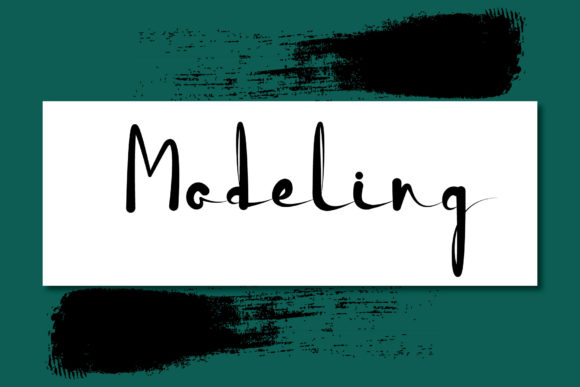
Modeling is one of those rare fonts that doesn’t just look good — it feels good. It has a warm, romantic, and jolly character that instantly brings a sense of joy and creativity to any project. The strokes are fluid yet deliberate, making it both elegant and approachable. As a creative consultant who works closely with small businesses, I’ve seen how the right typeface can transform a logo or label from ordinary to unforgettable. And Modeling? It’s got charm written all over it — literally.
Putting Modeling to the Test
I decided to test Modeling on a few key branding materials for a boutique skincare brand we were helping launch. Their products were natural, handmade, and meant to evoke feelings of care and connection. Using Modeling for their jar labels and social media banners gave them a soft, personal touch that resonated well with their target audience. The font didn’t overwhelm the design; instead, it added a layer of authenticity and warmth that helped customers connect with the brand on an emotional level.
One thing I noticed immediately was how versatile Modeling could be. Whether used in a minimalist logo, a decorative accent on a gift tag, or as the headline for an Instagram post, it maintained its visual integrity and charm. This kind of flexibility is gold for small businesses looking to create a cohesive brand identity without needing multiple fonts.
Why Typography Matters for Small Businesses
You might not think about typography as a core part of your business strategy, but it plays a huge role in shaping customer perception. Fonts like Modeling can help you communicate your brand’s mood before anyone even reads a single word. They’re the first impression — subtle, yet powerful.
Take a local café I worked with recently. They were updating their menu and wanted to move away from the generic sans serif they’d been using. By switching to Modeling for headings and pairing it with a clean sans serif for body text, the menu suddenly felt more inviting and human. It wasn’t just prettier; it created a more memorable experience for customers. That’s the magic of a strong typeface choice.
Modeling in Action: Real-World Uses
- Logo Design: Modeling works beautifully in logos where you want to convey a friendly, artistic, or premium feel. Its handwritten nature adds a personal signature-like quality that makes brands feel more authentic.
- Product Labels & Packaging: From candle jars to bakery boxes, Modeling adds a touch of elegance without being too ornate. Just make sure to use it wisely on smaller texts — it shines brightest in display sizes.
- Social Media Graphics: For Instagram templates or Facebook ads, Modeling helps create a consistent and inviting aesthetic. It pairs especially well with soft color palettes and organic textures.
- Thank-You Cards & Merchandise Tags: These small details often go unnoticed, but they build trust and loyalty. Modeling gives them a handcrafted feel that aligns perfectly with indie and handmade brands.
Readability Tips for Practical Use
While Modeling is visually stunning, it’s important to consider readability. Because it’s a script font with some flourishes, it’s best reserved for headlines, short phrases, or decorative accents rather than long blocks of text. On small labels or mobile screens, size matters — keep it large enough to maintain clarity and avoid losing the delicate details that make it special.
For digital assets, always check how the font looks at different resolutions. Some handwritten fonts can get blurry or lose definition when scaled down for thumbnails or shop visuals. Modeling handles this surprisingly well, thanks to its balanced stroke contrast and generous spacing. But it still pays to preview it on actual devices or printed samples before finalizing any designs.
Font Pairing Suggestions
Pairing Modeling with the right supporting font is key to creating a harmonious brand identity. Here are a few tried-and-true combinations:
- With a Clean Sans Serif: Think Helvetica Neue or Montserrat. This pairing keeps the layout modern while letting Modeling shine as the focal point.
- With an Elegant Serif: A serif like Playfair Display or Lora can balance Modeling’s casual energy with a touch of sophistication, perfect for editorial design or luxury branding.
- With Another Script Font: If you want to go bold, pair Modeling with a bolder, more dramatic script for contrast. Just be careful not to overdo it — less is usually more when it comes to scripts.
Always aim for contrast in weight and style between your main and secondary fonts. That way, Modeling won’t compete with other elements but will remain the hero of your design.
What to Look for Before Finalizing Your Choice
Before jumping into production or publishing content, take a moment to review what Modeling includes. Does it offer enough alternates and ligatures to suit your needs? Are there weights available if you plan to use it for different applications, like a bold version for logos and a regular one for tags?
Also, don’t forget to check the file formats provided by Script Amp. Having access to OTF and TTF files ensures compatibility across platforms and software. Multilingual support is another consideration if you plan to expand your market or work with international audiences.
Lastly, confirm the commercial licensing terms. Many small businesses overlook this step, only to run into issues later when scaling up or selling online. Modeling seems to be designed with flexibility in mind, which is great news for entrepreneurs building their brand from the ground up.
Final Takeaways from the Field
Working with Modeling reminded me why choosing the right font is such a big deal for small businesses. It’s not just about aesthetics — it’s about storytelling. Every time you use Modeling on a label or a banner, you’re adding a layer of personality to your brand. You’re saying, “We care about how things look, and we care about you.”
As someone who regularly advises small business owners on branding, I’m always looking for fonts that can do more than just look pretty. Modeling does exactly that. It fits naturally into a wide range of design assets and supports a brand’s growth with its adaptability and visual appeal. Whether you’re crafting thank-you cards for loyal customers or designing a website banner that pops, Modeling is a font that knows how to deliver both emotion and professionalism.
If you’re ready to give your brand a little more heart, I highly recommend giving Modeling a try. It’s not just a font — it’s a tool for expressing your values through every detail of your business. And in today’s competitive market, that kind of attention to detail can make all the difference.